
Hypersensitivity
 Hypersensitivity
Children with cerebral palsy often find it hard to manage their emotions. This is amplified in Enora A., who is highly sensitive. It doesn’t stop her being a smiley, cuddly little girl brimming with joy, but it affects her daily life enormously. Read on to understand…
Hypersensitivity: what is it?
It is hard to grasp the scale of the problem just from reading the word. Even when we try to explain it to those close to us, they don’t necessarily realise how much distress it causes. You have to face it to understand… It is sometimes as hard to manage as the motor disability… But little by little, we are finding the keys to decode this behaviour and adapt our reactions!

Hypersensitivity is not the same as sensory disorders (as in autism spectrum disorders); it is rather highly elaborate sensory processing. Facing it can be extremely disconcerting.
In North America, hypersensitive children are described as high-need children. Here’s why:
To illustrate: Enora lacks a filter to interpret her environment. She reacts to every stimulus, times ten.
She finds it hard to control her emotions. Tears come easily, and she switches quickly from laughter to tears. Sadness, joy, anger or a sense of injustice can take on huge proportions for her, and the people around her may struggle to understand these outbursts.
Day to day, she is unsettled and affected by every conflict and tension around her, even when she is neither responsible nor involved. For example, if another child is told off or punished, she starts crying. Living with 2-year-olds is therefore very hard, because they are busy discovering the world and pushing boundaries… whereas she, incredibly, never gets up to mischief… (yes, really!).
But above all, the biggest problem for her is her visceral rejection of meanness and injustice. That’s a good thing, you might say? Well, no, because taken to extremes it means she is terrified by the mere mention of a “baddie” in a story (and let’s not even talk about fairy tales!). When she was little, she would burst into tears when Tchoupi lost his cuddly toy… For the same reasons, she cannot watch a feature-length film or cartoon (Pixar or Disney are too big a challenge for now).
How can all this be explained? She imagines (and amplifies) what others feel (a kind of excessive empathy). This makes her very vulnerable, because she is overwhelmed by too many feelings and emotions. Panic attacks and crying fits are ways of releasing all these overly strong emotions. Not always easy to handle…
Hypersensitivity, as defined by a child:
“It means that when someone says something a tiny bit not nice, it can easily hurt really, really badly.”
Beyond emotions, all her senses are on high alert:
- She is often bothered by noise and shouting, which assault her overly sensitive ears and stop her from concentrating or thinking.
- Crumbs or dirt on her skin feel very unpleasant to her.
- She cannot stand being jostled by other children and easily feels attacked.
- Vacuum in the same room as her (today, even though she can cope with it, it is still a very stressful event for her).
- Get her to accept a plaster on her skin.
- Go on a fairground ride. The music, lights, speed and crowd were too much to handle. Before that, every attempt ended in a dramatic panic attack (even if she really wanted to go on it at first).
Another characteristic is extreme perfectionism, which triggers intense reactions to mistakes or failure. Enora pays the price at school, because she would rather not try than get it wrong. So we praise her efforts and risk-taking more than her results, to try to take the drama out of mistakes.
For more information on the subject, these very well-written articles (in French) are worth reading!
http://apprendreaeduquer.fr/4-caracteristiques-des-enfants-hypersensibles
Likewise, the following article (in French) perfectly illustrates the consequences of hypersensitivity on a child’s schooling:
https://apprendre-reviser-memoriser.fr/difficultes-enfants-hypersensibles-ecole/
What can you do?
It is not always easy for unprepared parents to stay calm, because they often feel powerless in the face of their hypersensitive child’s reactions, which seem extreme and out of proportion.
You might think that being firm with the child is enough for them to learn to control or contain themselves, but being harsh does not help; quite the opposite, it stresses them even more. Don’t try to “desensitise” the child; instead, teach them to identify their emotions, even if the original intention is to prepare them for a harsh world. Likewise, avoid overprotecting them, because they need to learn self-confidence. Supporting Enora every day is a balancing act. You have to respect her fears but avoid comforting or overprotecting her too much, so as not to send the message that she is right to be afraid.
So you will understand why hypersensitive children thrive in an extremely caring environment. They benefit even more than others from a positive, caring upbringing (from their parents and from the teachers they meet throughout their schooling).
Since she was 3, a psychologist has been helping Enora manage her overwhelming emotions and find the right behaviour. We recommend looking for a behavioural psychologist who can untangle situations in a playful way. Ours manages to get lots of messages across by playing with Playmobil! The playful side is important to build trust with children.
Another approach: hypnosis. 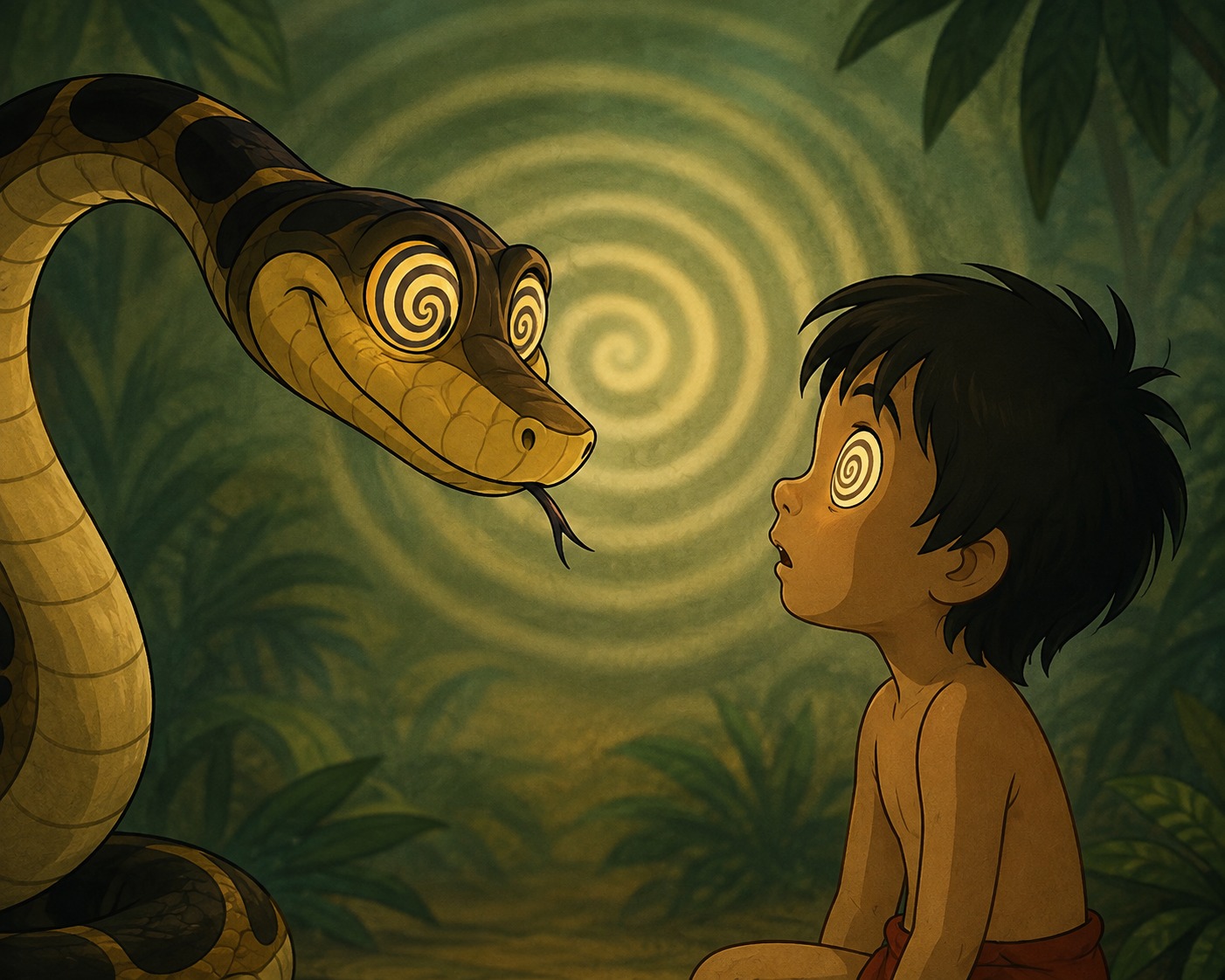
Hypnosis does not necessarily mean an altered state of consciousness. With children, therapists often use metaphorical stories, hypnotic techniques that allow the unconscious to understand an indirect message addressed to it. Hypnosis relies on imagination, and as everyone knows, children can be a dragon, a princess or a knight in turn, and still have the magic of “let’s pretend” intact.
When they feel safe, children generally put up less resistance than adults, which makes hypnosis a very interesting tool. You still need to find the right practitioner…
Since the age of six and a half, Enora has been seeing one who has helped her make real progress in managing her emotions: no more panicking about failing her homework before she has even started, she accepts using an electric toothbrush, accepts getting water on her face in the shower, etc.
Read more here (in French): https://www.magicmaman.com/hypnose-therapeutique-enfants-difficultes,3542223.asp
More of a quality than a flaw!
By giving our children the tools to tame this highly developed emotional intelligence, we will help them become subtle, honest, caring, creative, authentic adults with strong moral values and a love of a job well done.
The idea is to help them turn this hypersensitivity into a strength later on. A strength they can use in any field.